What Do Customers Notice Before You Do? The Overlooked Maintenance Problems in Public-Facing Premises
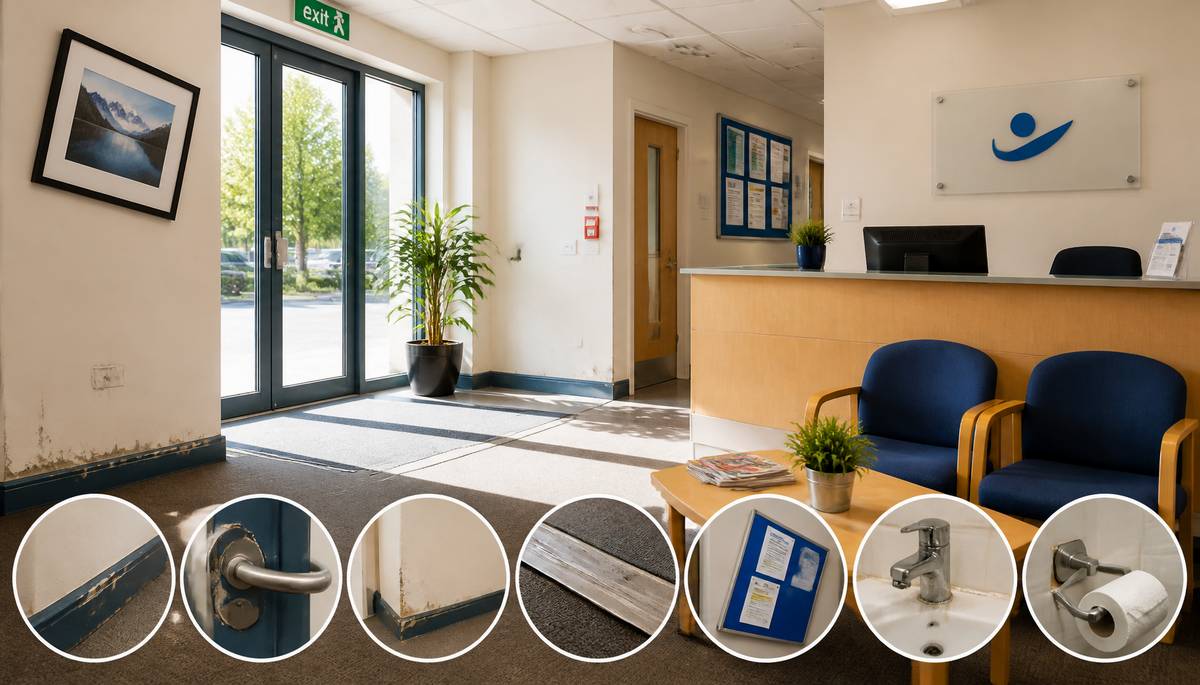 A crooked picture can spend three years on an office wall without troubling a single employee, yet somehow a visitor spots it before they have even worked out where reception is. Familiarity is remarkably good at making small defects disappear. Staff members walk through the same entrance, use the same doors and pass the same scuffed skirting every day. Eventually, these things cease to register. Customers, clients and visitors arrive with fresh eyes, and fresh eyes can be annoyingly observant.
Public-facing premises do not need to resemble immaculate showrooms. A few signs of ordinary use are inevitable. The problem comes when numerous small maintenance issues accumulate until they quietly alter the impression of the whole place. No individual defect seems particularly serious, but together they can suggest that nobody is paying much attention.
Familiarity Makes Excellent Camouflage
People are extremely good at adapting to their surroundings. A member of staff might remember exactly when somebody knocked a chunk from the skirting board while moving a filing cabinet. For the first week, the damage looks glaring. A month later, it has effectively become part of the architecture.
The same process happens with peeling paint, loose handles, cracked sealant, stained ceiling tiles, chipped corners and fittings that are no longer quite straight. Employees gradually stop seeing them because nothing has changed since yesterday. A first-time visitor has no such visual history. They simply see what is there.
This is particularly important around entrances and reception areas. These spaces receive heavy use while also forming the first physical impression of a business. A door that needs an undignified shoulder-barge to open may be a running joke among employees. To somebody arriving for an appointment, it is simply a door that does not work properly.
Look Down as Well as Around
Commercial maintenance inspections often concentrate on obvious eye-level problems, yet some of the most persistent defects occur lower down. Skirting boards take punishment from vacuum cleaners, delivery trolleys, chairs, shoes and occasionally objects being moved by somebody confidently announcing, “It’ll fit.”
Flooring deserves similar attention. Loose edging, damaged thresholds, lifting carpet and cracked tiles are not merely cosmetic concerns. They can create trip hazards, particularly in areas used by customers unfamiliar with the layout. Any defect affecting safe movement through the premises should be treated more seriously than an ordinary decorative blemish.
Inspect the Places People Touch
Door handles, handrails, counters, cupboard doors and washroom fittings deserve particular scrutiny because customers interact with them directly. A slightly loose fitting may remain usable for months, but each movement can gradually worsen the problem.
Washrooms are especially revealing. Tired sealant, loose toilet seats, dripping taps, damaged dispensers and poorly secured fittings can make an otherwise well-maintained business feel neglected. Customers may never comment on these details, but silence should not be confused with invisibility.
One useful approach is to periodically walk through the premises pretending you have never visited before. Enter through the customer entrance, wait at reception, sit in the waiting area, use the corridors and inspect the washrooms. Resist the temptation to explain defects to yourself. The imaginary first-time visitor does not know that somebody is “definitely sorting that shelf next week.”
Change Your Angle and Change What You See
Another useful trick is to inspect the premises from places where employees do not normally linger. Sit in a customer chair for a few minutes. Stand beside the reception desk rather than behind it. Walk slowly towards the building instead of arriving on autopilot. Suddenly, the mysterious black mark beside the entrance becomes obvious, the noticeboard appears slightly drunk, and that supposedly invisible cable is making a determined bid for attention.
Lighting can expose problems too. Marks that disappear under artificial light may become obvious in daylight, while poorly illuminated corners can make an otherwise tidy interior look gloomy or neglected. Check the premises at different times of day where practical, particularly areas receiving customers.
Small Defects Have a Habit of Recruiting Friends
A single maintenance issue rarely ruins somebody's impression of a business. Customers understand that buildings are used. Problems arise when several minor defects appear together. Scuffed paint beside a loose handrail might sit opposite a damaged skirting board, beneath a crooked sign, beside a door that squeaks like it has been asked to reveal state secrets.
Individually, these jobs may take relatively little time to rectify. Collectively, however, they create visual evidence of deferred maintenance. This is why keeping a simple maintenance list can be useful. Staff can record minor problems when they notice them rather than relying on somebody remembering three weeks later.
- Check entrances, doors and handles for damage or looseness.
- Inspect walls, corners and skirting for chips, marks and peeling paint.
- Look for cracked, discoloured or deteriorating sealant.
- Check signs, pictures, shelves and other wall-mounted items for alignment and secure fixings.
- Inspect customer seating, counters and frequently used furniture.
- Look carefully at flooring, thresholds and other potential trip hazards.
Know When Cosmetic Becomes Serious
Not every imperfection demands immediate action. A tiny paint chip can wait. A loose handrail should not. Businesses need to distinguish between cosmetic maintenance and defects that could affect safety, accessibility or the continued integrity of the building.
Water staining, persistent dampness, damaged electrical fittings, unstable fixtures and significant movement around doors or walls deserve proper investigation rather than cosmetic concealment. Painting over a recurring damp patch is not maintenance; it is giving the problem a new outfit.
For routine jobs, grouping several small repairs into one maintenance session can be efficient. Paint touch-ups, sealant replacement, adjustments, minor carpentry and securing fittings can often be dealt with together, avoiding the disruption of arranging separate work every time something develops a wobble.
Fresh Eyes Beat Familiar Walls
The aim is not perfection. Commercial premises are working environments, and working environments acquire marks, scratches and occasional encounters with delivery trolleys. What matters is preventing minor neglect from becoming the background scenery.
A short inspection every few months can reveal surprisingly long lists because familiarity is such an effective filter. Better still, ask somebody who rarely visits the premises to walk around and mention anything that catches their attention. They may spot in thirty seconds what regular occupants have overlooked for a year.
Customers probably will not congratulate a business because its skirting boards are intact and its door handles remain firmly attached. That is precisely the point. Good maintenance tends to disappear. Everything simply feels cared for, functional and professional, while the crooked picture finally gets straightened after spending three years quietly leaning towards Manchester.
|
|

